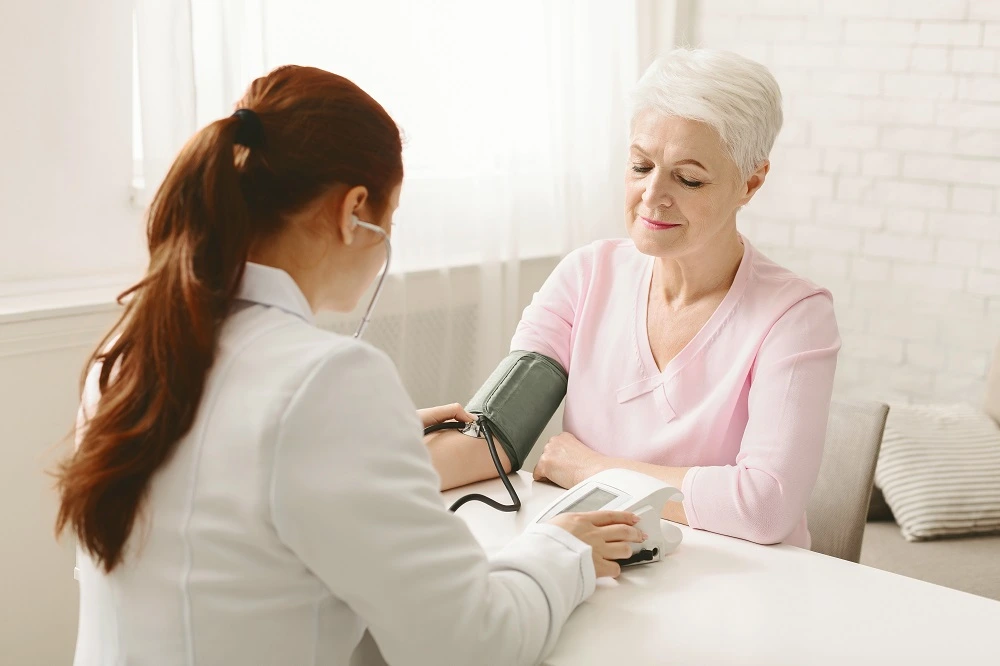
Primary care is one of the most important parts of the healthcare system, yet many people do not fully understand what it means. In simple words, primary care is the first place you go when you have a health problem, need a check-up, or want advice about your health. It is the basic level of healthcare that helps people stay healthy, prevent diseases, and manage long-term medical conditions.
In this article, we will explain in a clear and simple way what is primary care and why is it important, how it works, and why every person should have access to it. This guide is written in an easy human style so everyone can understand it, even without a medical background. You will also find FAQs at the end for better understanding.
Understanding Primary Care in Simple Words
Primary care is the general healthcare you receive from doctors, nurses, or health professionals who are usually your first point of contact. These healthcare providers are often called family doctors or general practitioners.
They handle a wide range of health needs such as:
- Common illnesses like cold, flu, or infections
- Regular health check-ups
- Vaccinations
- Basic treatment for injuries
- Advice about diet, exercise, and lifestyle
- Monitoring long-term diseases like diabetes or blood pressure
Think of primary care as the “home base” of your health journey. Whenever something is wrong, you go there first.
What is Primary Care and Why is it Important?
Now let’s understand the main topic clearly: what is primary care and why is it important.
Primary care is important because it focuses on prevention, early treatment, and long-term health support. Instead of waiting for serious illness, primary care helps stop health problems before they become dangerous.
Here are the main reasons why it matters so much:
1. It Helps Prevent Diseases
One of the biggest benefits of primary care is prevention. Doctors in primary care guide you on how to avoid diseases through:
- Healthy eating advice
- Exercise plans
- Vaccinations
- Regular screenings
Prevention is always better than cure. By visiting a primary care provider regularly, you reduce the chances of getting serious illnesses.
2. Early Detection of Health Problems
Many diseases do not show symptoms in the beginning. Conditions like diabetes, high blood pressure, or heart disease often develop silently.
Primary care helps detect these problems early through routine check-ups and tests. Early detection means:
- Easier treatment
- Lower medical cost
- Better recovery chances
3. Continuous Health Monitoring
Unlike emergency care, primary care is ongoing. You see the same doctor regularly, which helps build trust and understanding.
Your doctor knows:
- Your medical history
- Your family health conditions
- Your lifestyle habits
This makes treatment more accurate and personalized.
4. Treatment of Common Illnesses
Primary care handles most everyday health problems such as:
- Fever
- Headache
- Flu
- Skin infections
- Minor injuries
Instead of going to a hospital for small issues, primary care saves time and money.
5. Managing Long-Term Diseases
People with chronic conditions need regular care. Primary care providers help manage:
- Diabetes
- Asthma
- High blood pressure
- Heart conditions
They make sure your condition stays under control and does not get worse.
6. Saves Time and Money
Primary care reduces the need for expensive hospital visits or emergency treatment. When health problems are handled early, treatment becomes simpler and cheaper.
This is one of the strongest reasons why healthcare systems around the world focus on improving primary care services.
7. Mental and Emotional Health Support
Primary care is not only for physical health. Doctors also help with:
- Stress
- Anxiety
- Depression
- Sleep problems
They can also refer you to specialists if needed.
Primary Care in Modern Life
In today’s fast-paced world, people often ignore their health until something goes wrong. This is where primary care becomes even more important.
Regular check-ups help you stay ahead of health problems. It gives you peace of mind and a better quality of life.
Many health platforms and websites like troozer com also focus on spreading awareness about healthcare topics, including how people can understand basic medical services like primary care and improve their lifestyle choices.
How Primary Care Improves Society
Primary care is not only good for individuals but also for society as a whole.
- It reduces pressure on hospitals
- It lowers healthcare costs for governments
- It improves public health
- It increases life expectancy
When more people use primary care services, the overall health of the community improves.
Who Provides Primary Care?
Primary care is usually provided by:
- General physicians (GPs)
- Family doctors
- Nurse practitioners
- Community health clinics
These professionals are trained to handle a wide variety of health issues and guide patients properly.
When Should You Visit Primary Care?
You should visit primary care when:
- You feel sick or have symptoms
- You need a routine check-up
- You want vaccinations
- You need advice about diet or lifestyle
- You have a long-term illness that needs monitoring
It is always better to visit early instead of waiting for the condition to become serious.
Simple Summary
To clearly sum up what is primary care and why is it important, we can say:
Primary care is your first and most important step in healthcare. It helps prevent disease, detect health problems early, treat common illnesses, manage chronic conditions, and improve overall well-being. It is the foundation of a healthy life and an important part of every healthcare system.
FAQs
1. What is primary care in simple words?
Primary care is basic healthcare you receive from a doctor or clinic when you have common health problems or need regular check-ups.
2. Why is primary care important?
It is important because it helps prevent diseases, detects problems early, and provides continuous health care support.
3. Is primary care only for sick people?
No, primary care is also for healthy people. It includes check-ups, vaccinations, and advice to stay healthy.
4. Can primary care treat serious diseases?
Primary care doctors can manage many conditions and will refer you to a specialist if the disease is serious or complex.
5. How often should I visit primary care?
It depends on your health, but generally a yearly check-up is recommended for most people.